

Marie Antoinette Perfume: The Forbidden Tuberose Scandal of Versailles
The carriage pulled away from the Tuileries after dark on 20 June 1791, carrying a family dressed as servants. Plain clothes, borrowed names, two sleepy children, and the eastern border somewhere ahead at the end of a night's hard driving. Everything about the escape depended on nobody looking twice at the passengers.
Here is how the perfume trade has told the rest of it for the better part of two centuries. At a relay stop, while the horses were changed and the party sat waiting in the dark, someone came close enough to the carriage to catch what drifted out of it: rose, jasmine, orange blossom, and something warmer underneath, expensive and unmistakable. No lady's maid smelled like that. The queen of France had been given away by her own perfume, and by the time the carriage reached Varennes the road ahead was already closed.
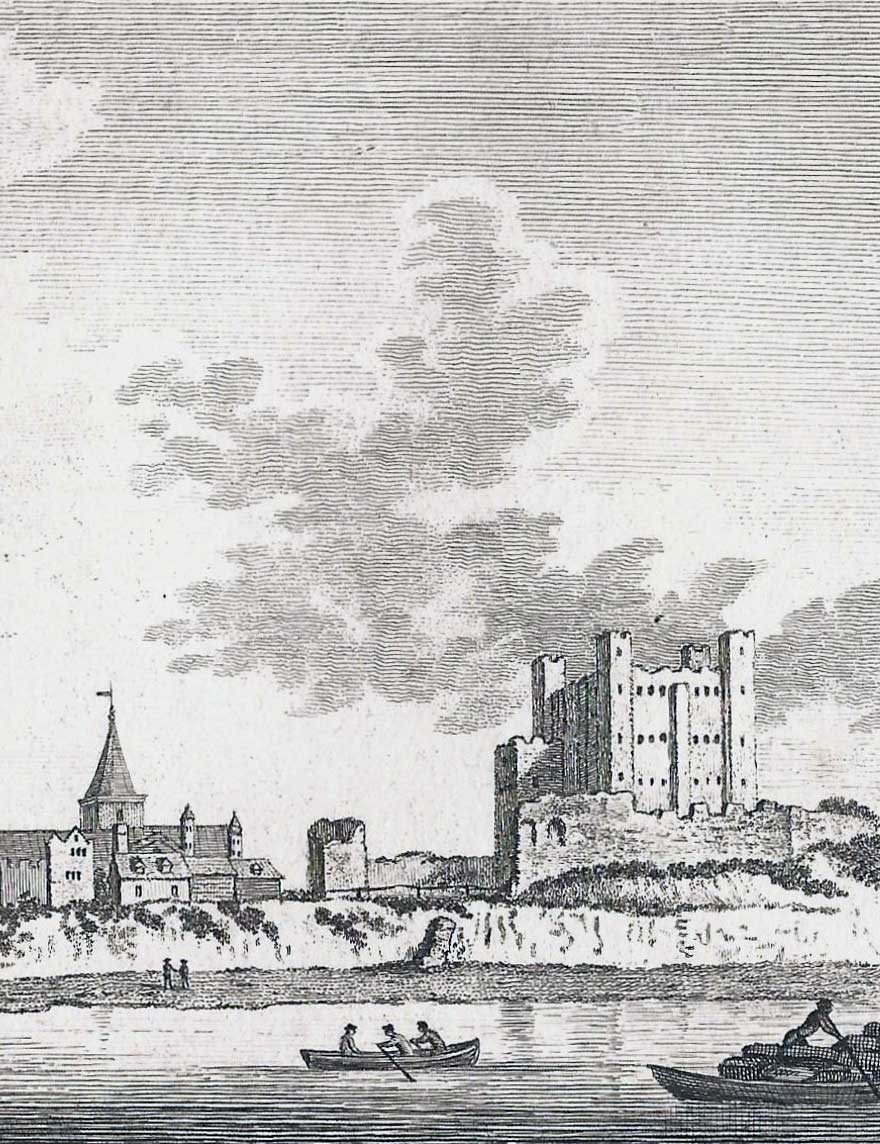
It never happened. The story is Houbigant's, a perfume house that has been repeating versions of it since the nineteenth century, and not one contemporary account of the flight mentions scent at all. What ended the escape was slower, duller and entirely visual: the party ran hours behind schedule, the cavalry escorts posted along the route gave up and dispersed, and at Sainte-Menehould a postmaster named Jean-Baptiste Drouet looked at the passengers, recognised the king's face and rode ahead to raise the alarm. Louis was caught by his own portrait, not by his wife's flacon.
The legend has outlived every correction, and it has company: a vial pressed into a governess's hands on the way to the scaffold, gardens young women were warned out of after dark, a mistress proving things with flowers. This queen collects scent stories the way her husband collected locks.
What Perfume Did Marie Antoinette Actually Wear?
Marie Antoinette wore light florals built on rose, jasmine, iris, violet, orange blossom and jonquil, most of them made for her by the Parisian perfumer Jean-Louis Fargeon. The heavy musk-and-civet compositions of the previous generation she disliked, and largely dropped.
Fargeon was born in Montpellier in 1748 into a family that had been distilling there since the 1650s. He trained in Paris, was received as a master perfumer in 1774 — the same year the new queen came to the throne — and hung out his sign at 11 rue du Roule: the Swan. There are guild records for all of this, and a peer-reviewed study of his court supply business. He is not a legend; he is an invoice.
The historian Elisabeth de Feydeau, whose book A Scented Palace is built on Fargeon's surviving papers, has him serving the queen for some fourteen years, winning her first with perfumed gloves and then supplying flacons, pomades and sachets for the toilette. The official roll of the queen's perfumers never listed him; what the papers record is the account, not the title.
The volume is the part that startles. By Feydeau's count the queen was ordering at least eighteen pairs of perfumed gloves a month — not a year — alongside scented hair pomade, bathwater infused with rose and herbs, and sachets laid between the folds of her gowns. Keeping one woman fragrant was a full-time trade employing a small workshop.
None of it sounds especially scandalous. The scandal was attached to a single flower, and the flower was doing most of the work by reputation alone.
Why Was Tuberose the Most Scandalous Flower at Versailles?
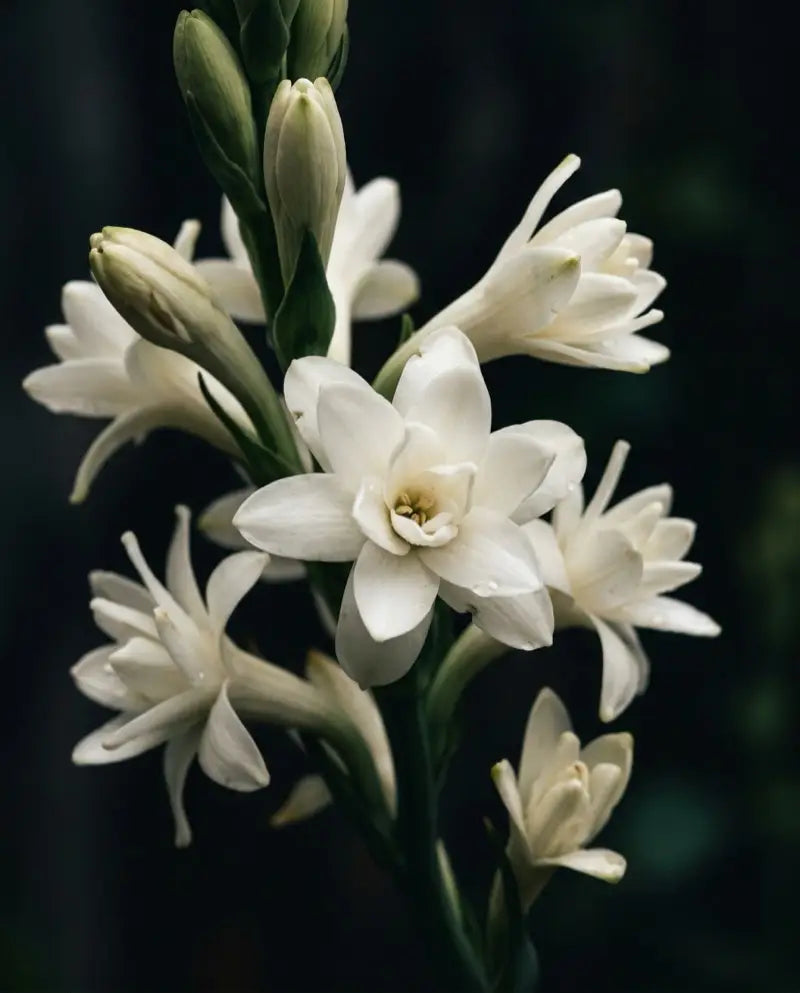
Tuberose was thought dangerous because its scent was filed under seduction rather than respectability: heavy, sweet, narcotic, the smell of a room you should not be in. Whether the queen's use of it deserved the word "scandal" is another matter.
The stories are marvellous. In Renaissance Italy, it is said, young women were kept out of tuberose gardens after dark in case the fragrance turned their thoughts unchaste. Louise de La Vallière, mistress of Louis XIV, supposedly filled her rooms with it to demonstrate she was not pregnant, expectant mothers being held unable to bear the smell. Neither tale can be traced to any source older than modern flower lore, and the second collapses under its own weight: La Vallière bore the king four children. The reputation, though, was real. In the nineteenth-century language of flowers tuberose stood for volupté. Dangerous pleasure, in a single word, printed in gift books respectable households kept on the shelf.
So the queen bathed in it, and the court clutched its violets in horror. That is the version everyone repeats, and Fargeon's own papers contradict it. Feydeau records that he thought tuberose could "discourage anxiety and stimulate desire", and that he handled it accordingly: a pinch, no more, worked into compositions whose bulk was rose, jasmine and violet. The queen loved the flower. Her perfumer was wary of the ingredient. The scandal lived in the gap between the two — in what a courtier assumed when a trace of it went past him in a corridor.

What Made Tuberose So Intoxicating?
Chemistry, mostly. Tuberose absolute, the extract perfumers actually work with, carries indole, a molecule with an animal warmth that also appears in jasmine and, in trace amounts, among the natural volatiles of human skin. Alongside it sit creamy lactones, which supply the buttery weight. The result reads as floral and faintly bodily at the same time, which is precisely the quality that made eighteenth-century moralists nervous.
The plant also keeps unsociable hours. A study of living tuberose flowers in Plant and Cell Physiology found scent emission climbing through the early evening, peaking around midnight, and continuing for roughly three days after the bloom opens. Gardeners will tell you a cut stem perfumes a room for two days more. Nobody has measured that, and nobody who has kept tuberose in a vase argues with it either.
Honeyed and green, buttery and camphoraceous, with something underneath that smells nearly alive. Fargeon treated it as a material that behaves less like an ingredient than like a guest, and never trusted it with the room. Perfumers have been arguing with his caution ever since — including the one a royal palace hired, two centuries later, to rebuild the queen's own blend.
What Was Sillage de la Reine — and Was It Really Her Perfume?
Le Sillage de la Reine — "in the queen's wake" — is a modern perfume, created in 2005 by Francis Kurkdjian with Elisabeth de Feydeau. It is not an eighteenth-century survival, and it has never claimed to be.
It came out of Feydeau's archive work on Fargeon. Kurkdjian composed it entirely from natural materials, as a perfumer of the 1780s would have had to, and spent around eighteen months on it: rose, jasmine, iris, orange blossom and tuberose over sandalwood, cedar, musk and ambergris. The Château de Versailles then sold it — a numbered edition of 1,000 crystal flacons at €350, plus ten Baccarat flacons at €8,000 — with the proceeds going towards buying back a travelling case that had belonged to the queen. A perfume reconstructed from the queen's paperwork, sold to fund the repatriation of the queen's luggage. Versailles has always been good at this.
The title carries the real argument. Sillage is still the trade's word for the trail a fragrance leaves behind its wearer, and the trail is what every legend about this queen is really about. She had the raw material for it: Louis XVI gave her the Petit Trianon in 1774, reportedly with the line "You love flowers. I have a bouquet to offer you." The abbé Baudeau wrote that down after the fact, and royal one-liners of the period deserve a pinch of salt, but the gardens were real, and their flowers ran through everything Fargeon made for her. The estate is also where the legends thicken. A private garden, a small circle, a locked gate — the whole country was free to imagine what went on behind it, and did.
Did She Really Carry Perfume to the Guillotine?
Not in the version the internet prefers. That one has a black jade vial of Fargeon's perfume pressed into the hands of the Marquise de Tourzel days before the execution, then kept by her descendants in a Burgundy chateau ever since, and it does not survive contact with the record.
The story travels with Black Jade, a fragrance launched by the house of Lubin in 2011, and it cites the Tourzel memoirs for authority. We read the Tourzel memoirs. There is no vial in them. Nor could there be: Madame de Tourzel was separated from the royal family in August 1792, more than a year before the execution, and never saw the queen again. The family estate, for good measure, was at Abondant, not in Burgundy. Every load-bearing detail fails at the same time, which is unusual; most legends keep at least one true leg to stand on. Two houses, two centuries, the same shape of story: the queen betrayed or consoled by a bottle, with the bottle available for purchase.

What can be documented is quieter. Household accounts show Fargeon still delivering to the Tuileries through 1790 and 1791, with the Revolution well under way and his best customer under guard. The Conciergerie displays a small toiletry cassette said to be hers, and the museum is careful about the provenance. Fargeon claimed she went to the scaffold still faintly scented; Feydeau passes it on for what it is — the perfumer's word, uncorroborated.
Marie Antoinette was executed on 16 October 1793, aged 37. Fargeon was arrested during the Terror not long after; perfumer to the court was a dangerous line on a CV in 1794, and his crime, in practice, was his client list — fourteen years of it, itemised, in his own handwriting. He was released in the unwinding that followed Robespierre's fall and worked on until his death in 1806: the one man who could have settled any of this, and he left a shop ledger instead of an answer.
Why Does This Queen Collect Scent Legends?
Because perfume is the perfect shape for the accusation people already wanted to make. A gown can be inventoried and a diamond necklace can be traced through a courtroom, but scent costs a fortune, does nothing, vanishes, and travels ahead of you into rooms you have not entered. Set that against a queen whose reputation was built on the charge of spending, and the legends practically compose themselves — betrayed by her luxury on the road to the border, consoled by her luxury on the way to the scaffold.
The documented queen is harder to moralise about. She preferred light florals to the animal perfumes of the old court, used tuberose sparingly on her perfumer's advice, and kept a garden she had turned into scent. Fargeon knew what she wanted to smell like before most of Europe knew what she thought about anything. And she was still ordering perfume from a man who would shortly be arrested for having sold it to her.
Scent as a Statement
Strip out the vials and the betrayals and what remains is a working relationship, recorded in bills, between a woman and the man who made her smell like herself. Perfume is personal in a way gowns and jewels are not. You choose it in private, and then it precedes you into rooms and stays behind you when you leave — through the gardens of the Petit Trianon, and into a cell at the Conciergerie.
That idea sits at the heart of everything we make here in Kent. It's why we created Versailles, our perfume built on the drama and opulence of the French court: the rich, historical florality Marie Antoinette would have recognised, tuberose among the notes, dosed with rather more nerve than Fargeon allowed himself.
If you'd like to follow these flowers into modern perfumery, the Portraits Sample Set is the place to start. And if you enjoy watching a perfume legend meet its paperwork, our piece on the real story behind Napoleon's cologne does the same job on another French icon — a man who left even more of it behind.
Frequently Asked Questions
What perfume did Marie Antoinette actually wear?
Marie Antoinette wore light floral scents built around rose, jasmine, iris, violet, orange blossom and jonquil, most of them supplied by the Parisian perfumer Jean-Louis Fargeon, who according to historian Elisabeth de Feydeau served her for some fourteen years. She disliked the heavy musk and civet perfumes of the previous generation.
Why was tuberose considered scandalous at Versailles?
Tuberose's heavy, narcotic scent was associated with seduction rather than respectability, and flower lore claimed it could stir unchaste thoughts. In reality, Fargeon used only a pinch of tuberose in Marie Antoinette's compositions — the scandal lived mostly in the flower's reputation.
Was Sillage de la Reine really Marie Antoinette's perfume?
No. Le Sillage de la Reine is a modern perfume created in 2005 by Francis Kurkdjian with historian Elisabeth de Feydeau, built from the papers and raw materials of the queen's perfumer Jean-Louis Fargeon. The Château de Versailles sold it in a numbered edition of 1,000 crystal flacons.
Did Marie Antoinette carry perfume to the guillotine?
The famous story of a black jade vial passed to the Marquise de Tourzel is a marketing legend: the Tourzel memoirs mention no vial, and Tourzel was separated from the royal family in August 1792, over a year before the execution. Fargeon claimed the queen went to the scaffold still faintly scented, a detail Feydeau passes on as plausible but unverifiable.
Was Marie Antoinette betrayed by her perfume at Varennes?
No contemporary evidence supports this legend, which comes from the perfume house Houbigant. The flight to Varennes failed because the party ran hours late, the cavalry escorts dispersed, and postmaster Jean-Baptiste Drouet recognised the king's face and raised the alarm.

Leave a comment
This site is protected by hCaptcha and the hCaptcha Privacy Policy and Terms of Service apply.